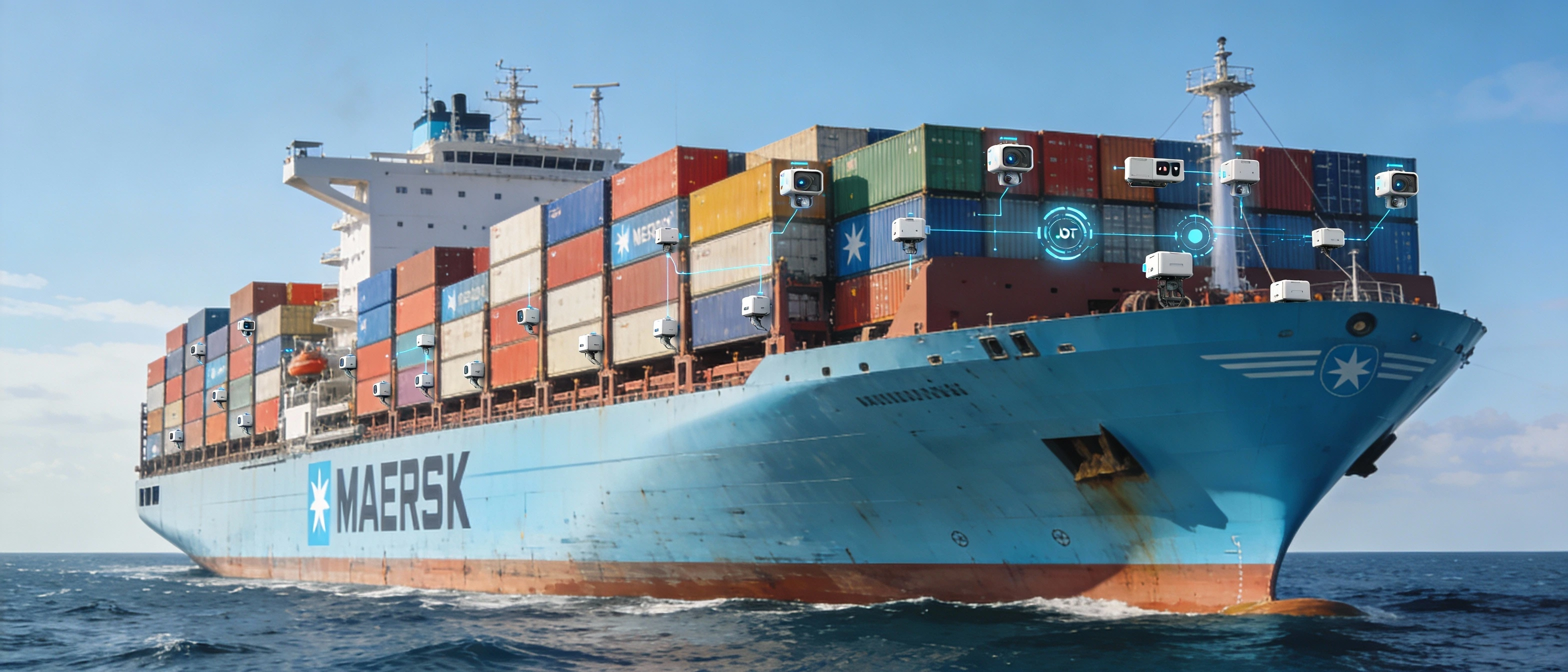


Unknown cargo is not a nuisance; it’s a regulatory, financial, and safety failure that entire operating models are designed to prevent.
Enterprises, on the other hand, run production workloads on “best guess” inventories pulled from half-broken CMDBs, EDR consoles, cloud dashboards, and spreadsheets that never quite agree.
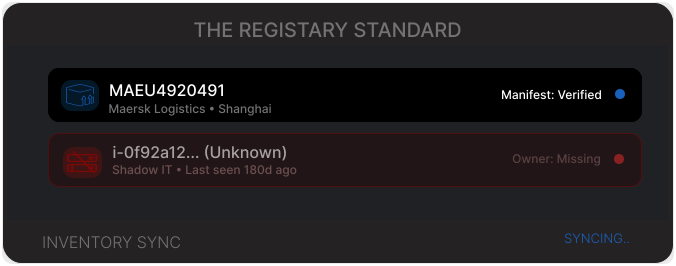
Shadow IT, abandoned SaaS tenants, forgotten test VMs, and rogue S3 buckets quietly accumulate until a breach reveals them the hard way, with 60% of incidents still tied back to known-but-unpatched or poorly managed systems.
The modern boardroom version of “unknown container” is “We didn’t even know that server was there, let alone what data it held.”
If shipping can track a steel box crossing three oceans, security can track a workload crossing three clouds. The shift is to treat every asset—system, identity, data store—as a container with rigorous standards.

One authoritative registry that reconciles discovery tools and refuses to list "unknown host" as a terminal state.

Mandatory fields for owner, business function, and exposure. No "nice-to-haves".

Explicit states from provision to destroy, with attached SLAs for patching and cleanup.